The Evolution of Dental Care Practices
Whilst traditional dental hygiene in Canary Wharf remains fundamental to maintaining oral health, numerous unconventional methods have emerged throughout history that complement standard practices. From ancient civilisations to modern innovations, historical tooth cleaning techniques have ranged from chewing sticks to crushed shells, demonstrating humanity’s enduring commitment to oral hygiene.
Modern Alternative Approaches to Oral Health
In contemporary times, particularly in metropolitan areas like London, where access to dental hygiene is readily available, people are increasingly combining traditional dental care with alternative methods. These complementary approaches often draw upon natural ingredients and time-tested practices from various cultures.
Oil Pulling and Natural Remedies
One of the most discussed alternative dental practices is oil pulling, an ancient Ayurvedic technique that involves swishing oil around the mouth for several minutes. Practitioners typically use coconut or sesame oil, claiming benefits such as reduced plaque formation and improved gum health. Natural dental care methods like herbal mouthwashes and mineral-rich toothpaste alternatives have gained significant attention in recent years.
Technological Innovations in Dental Care
Beyond traditional and natural methods, technological advancements have introduced novel approaches to dental hygiene. These innovations include:
- Ultrasonic cleaning devices
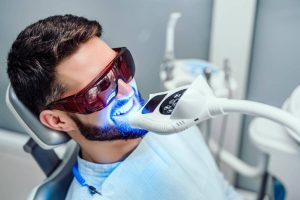
- Phototherapy tools for gum health
- Smart toothbrushes with artificial intelligence
- Water flossing systems
Integrating Alternative Methods with Professional Care
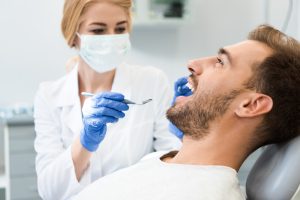
While exploring unconventional dental hygiene methods, it remains crucial to maintain regular professional dental care. Those seeking dental hygiene often find practitioners who embrace a holistic approach, combining traditional dentistry with alternative methods. Contemporary dental practices increasingly recognise the value of incorporating alternative techniques alongside conventional treatments. These innovative approaches to dental care continue to evolve, offering patients more options for maintaining optimal oral health. However, it’s essential to research and consult dental professionals before adopting any new dental hygiene practices, ensuring they complement rather than replace standard oral care routines.
The Role of Diet in Alternative Dental Care
Beyond conventional brushing and flossing, dietary choices play a crucial role in maintaining oral health. Traditional cultures have long recognised certain foods for their natural teeth-cleaning properties. Crunchy vegetables like carrots and celery act as natural toothbrushes, helping to remove plaque and stimulate saliva production.
Mineral-Rich Foods for Tooth Remineralisation
The concept of remineralisation through diet has gained attention in alternative dental care circles. Foods rich in minerals such as calcium, phosphorus, and magnesium contribute to stronger tooth enamel. These include:
- Leafy green vegetables
- Hard cheeses
- Sugar-free yoghurt
- Nuts and seeds
Probiotics and Oral Health
The relationship between gut health and oral health has become increasingly apparent. Probiotic-rich foods may help maintain a healthy balance of oral bacteria, potentially reducing the risk of dental issues. Fermented foods such as kefir, kombucha, and traditionally prepared sauerkraut offer natural sources of beneficial bacteria.
Mindful Oral Care Practices
The concept of mindfulness has extended to dental hygiene, with practitioners advocating for more conscious approaches to oral care. This includes paying attention to brushing technique, timing, and the impact of daily habits on dental health. Many people are now incorporating meditation and stress-reduction techniques, recognising the connection between stress levels and oral health issues such as teeth grinding and gum problems.
Embracing Comprehensive Oral Wellness
Modern approaches to dental hygiene increasingly recognise that optimal oral health requires a comprehensive strategy. This includes traditional dental care, alternative methods, dietary considerations, and awareness of the mind-body connection. Whilst dental hygiene continues to evolve, incorporating both conventional and alternative approaches allows for a more holistic approach to oral health. The future of dental hygiene lies in this balanced approach, where evidence-based traditional practices work alongside carefully selected alternative methods. As research continues and understanding deepens, the integration of various approaches to oral health care will likely become more refined and personalised.
Moving Forward with Dental Care
The journey towards optimal oral health involves remaining open to new approaches whilst maintaining a foundation of proven dental care practices. By combining the best of conventional and alternative methods, individuals can develop a personalised oral care routine that supports their overall health and well-being.